
NAMASTE!
WELCOME TO BELIZE YOGA & WELLNESS ECO-ADVENTURE RETREAT FOR WOMEN
ABOUT OUR JUNGLE ECO-LODGE ACCOMMODATION
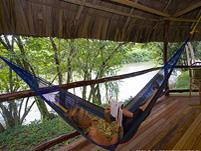
Cotton Tree Lodge is an incredible eco jungle lodge nestled between the river and the rainforest beneath a towering cotton tree. There are 10 private locally made river front cabanas. Our eco jungle lodge uses solar energy for all basic electrical requirements and there is an organic garden. Cotton Tree Lodge also has a reforestation program planting teak and mahogany trees.
Another notable feature of this lodge is the composting system. The lodge uses traditional flush toilets and return nutrients to the soil through bio-remediation and phyto-remediation. Instead of a traditional leach field, they use a self contained reservoir planted with banana palm trees. The banana plants actually absorb the liquid. The smell is free and clear and pleasant. These banana trees are used only for this purpose.There is a self-guided path system throughout the 70-acre jungle tract that allows you to take the opportunity to explore the many varieties of flora and fauna. The Citrus Orchard Walk is a boardwalk path extending around the perimeter of the 100-acre property and leads you through the 30-acre citrus orchard. You are free to pick what ever you like right from the tree!
THE EXPERIENCE
Be a part of the ocean of cosmic transformation flowing with nature and Hatha

Awaken the spirit with intimate encounters with Belizean water falls, jungle plants, animals and birds during interesting Jungle Hikes, Discovering Hidden Mayan Temples, River Kayak Adventures, Cave Explorations, Drumming with the Garafuna and visits with local Mayan Villages. Each morning we will attain an ever deepening command of our inner life force (qi) through an ancient sequence of rejuvenating, balancing and healing movements and sounds through Qigong. We energize our youthfulness with Pranayama and keep our spine supple as we strengthen our body, mind and spirit through Hatha Yoga. Discover the Heart of the Secret – “The Power of Clarimizing”. Learn to visualize and create your ideal dream and the life you most love through playful exercises using the creative power of our verbal focus to bring into our life what brings us JOY! Through the use of this evolutionary gift, we can cultivate happiness within ourselves and others living the life you love. Experience the positive effect of sound vibration and movement through a Sound and Dance Meditation as a way to calm the mind, settle the emotions, balance the body, and uplift the spirit. During our wilderness eco adventure retreat, wholesome local Belizean Chi-infused favorites as well as the chef’s own creative cuisine will be served. All of our food will be mainly organic and always fresh. A variety of locally fresh grown fruits and vegetables are plentiful and will satisfy the most discerning vegetarian diet.
The Moho River is clean and offers a refreshing dip any time of day or night. You can swim right from the cabana or swim out to the floating dock, lie out in the sun or catch a nap in the cool shade by the river bank.
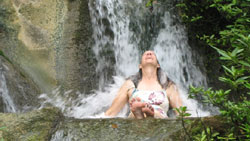
There are dugout canoes available for you to take a paddle anytime. Along the Moho River you will find howler monkeys, iguanas, turtles and a rich variety of birds on the forested banks. Local Indian children fishing or just drifting by on their way down stream are also a common sight along the river.
Hop onto a horse and head out into the jungle where you experience low handing vines into the deep jungle, where you may have a chance to encounter with mountain cow, wild turkey or wild peccary. Listen to the birds and howler monkeys in the tree tops. The horses are friendly and safe for riding.
DAILY EXCURSIONS
The realm of the Maya covered much of Central America during the first millennium and included many magnificent cites such as Tikal and Copan. And only recently have archeologists started to appreciate the significance of caves to the ancients, who viewed them as portals to the underworld where the spirits of the dead would dwell. And while the Maya were wary of the underworld, referring to it as “the place of fright,” they also used caves for ceremonies and rituals to communicate with the gods.
To experience one of these amazing caves, we will drive inland along a road bordering the Mayan Mountains. As we come into the tiny village of Blue Creek, we leave our vehicle and begin our journey by foot. The cave is a 20 minute hike from the village. Following the river’s edge, we make our way further upstream as we begin to recede into the mountain gorge. Either side of the gorge is covered from high above with a blanket of emerald green vegetation cascading down to the blue creek’s source.

This is Hokeb Ha Cave. From here the true adventure begins. As we swim into the caves opening, through a pool of emerald blue cool water, we soon come into darkness. We have entered into the underworld of the Maya. The Maya name for this cave is “Hokeb Ha” or “Where the water enters the earth”. We light our lanterns and the magic of this place begins to appear.
Stalactites and stalagmites lead us from one chamber to the next as we explore this seldom visited world. Archaeologists have found many Late Classic ceramics and an altar inside the cave, leading them to theorize that the Hokeb Ha cave was used specifically for ceremonial purposes.
The calm water at the main entrance is perfect for us to take a leisurely swim. An unforgettable experience! After we exit the cave we’ll relax and enjoy a picnic lunch.
Mayan ruins are also found throughout Belize as a testament to this vibrant culture of the past. If you choose, we can explore the mystery and wonder of ancient Mayan civilization in the buildings left behind. Some of what you can experience:

PUSHILA
For something really different, this is the adventure you won’t want to miss! Pushila is a Mayan ruin partially excavated in the 1920s then abandoned. It is known principally for its many carved monuments dating to the Classic period and has a unique architectural feature: a triple-span bridge. The ruins can only be reached by boat, therefore, we will launch into our canoes paddling a short distance up the Moho River. The plaza contains about two dozen carved stelae.
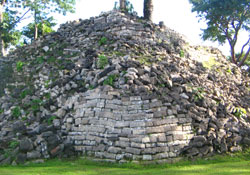
NIM LI PUNIT
In the Maya Kekchi language, Nim Li Punit means “the big hat,” which is inherited from a carving on the longest of the site’s twenty-six stelae, depicting a figure wearing a large headdress.
LUBAANTUN
Lubaantun also known as “Fallen Stones” is the largest Maya archaeological site in the south and one of the last major settlements built in Belize. Temple walls were constructed of cut stone and fit without the use of mortar. A controversial Crystal Skull was found here in 1926. The skull is said to show no tooled markings and is composed of pure crystallized quartz–fact or fiction, you decide.
You will also have the opportunity to visit the local Garafuna villages and much more.
RELATED:

Women Sailing the Baja

She is Sailing Through Midlife Change
